
If you’ve been researching early childhood options, you’ve probably noticed how often the word “Montessori” comes up. But what does it actually mean in practice, and how do you know if a Montessori preschool in Chino Hills is the right fit for your child? Here’s a closer look at the philosophy, what a typical day looks like, and how to evaluate your options.
The Montessori Philosophy, Explained
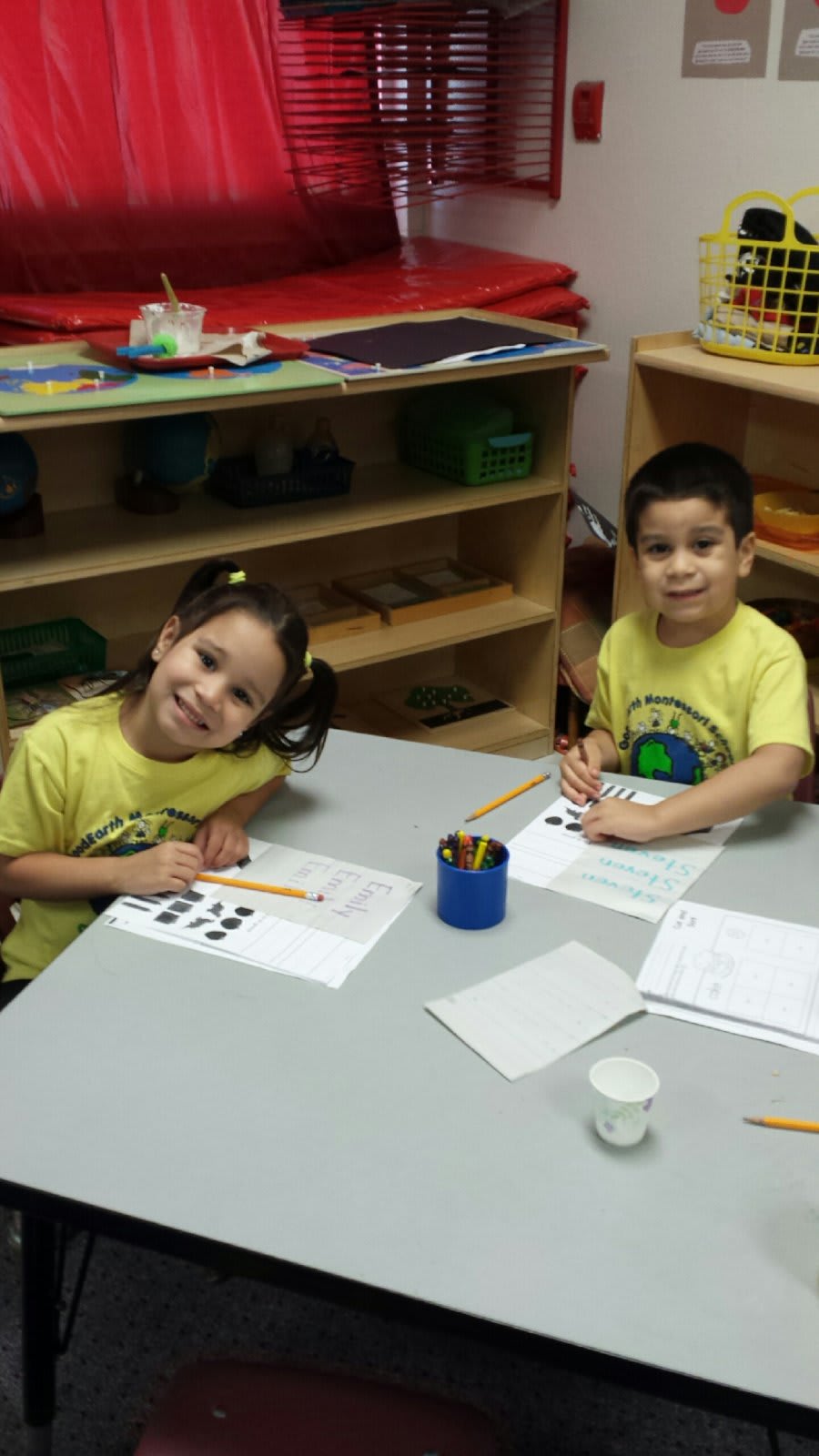
Montessori education is built around the idea that children learn best through hands-on exploration rather than passive instruction. Instead of a teacher standing at the front of a classroom, Chino Hills Montessori classrooms are designed as prepared environments, spaces filled with materials children can choose, touch, and work through at their own pace.
Teachers act more as guides than lecturers, observing each child and stepping in when needed rather than directing every minute of the day. The goal is to build independence, concentration, and a genuine love of learning, not just compliance with a schedule.
What a Montessori Day Actually Looks Like
A typical day blends structure with freedom of choice. Children move through “work periods” where they select activities from areas like practical life skills, sensory materials, early math, language, and cultural studies. Mixed-age classrooms are common, allowing younger children to learn from older peers and older children to build leadership and patience.
This approach also extends naturally into child care. A strong child care program in Chino Hills built on Montessori principles doesn’t just supervise children through the day it treats even the earliest years as an opportunity for real learning, through age-appropriate activities, consistent routines, and materials scaled to a child’s developmental stage.
Is Montessori Right for Your Child?
Montessori tends to work especially well for children who are naturally curious and benefit from making their own choices, but nearly any child can thrive in the right classroom with the right teacher. Signs it might be a good fit include a child who enjoys hands-on tasks, gets restless with rigid routines, or shows early signs of independence, like wanting to do things “myself.”
That said, the most reliable way to know is to see a classroom in person. Watch how children move through their work, how teachers respond to questions, and whether the environment feels calm and purposeful rather than chaotic.
What to Look for in a Montessori Program
Not every school that uses the word “Montessori” follows the method closely, so it’s worth asking a few direct questions: Are teachers trained in Montessori methods? Are classrooms multi-age? What materials are used, and how much of the day is child-directed versus teacher-led? A program that can answer these clearly and let you observe a classroom is usually a strong sign of authenticity.
Finding the Right Fit in Chino Hills
Choosing a school is ultimately about finding an environment where your child feels safe, engaged, and encouraged to grow. Whether you’re looking for full-day child care or a structured preschool program, take the time to visit, ask questions, and trust what you see.
If you’d like to explore a Montessori-inspired approach for your child, GoodEarth Montessori School welcomes families to schedule a tour and see our classrooms and teachers firsthand.
Frequently Asked Questions
What age does Montessori education start?
Many Montessori programs accept children as young as two or three, with classrooms designed around specific developmental stages from toddlerhood through kindergarten.
How is Montessori different from regular child care?
Regular child care often focuses primarily on supervision and routine, while Montessori-based child care incorporates structured, hands-on learning materials and encourages independence, even during the earliest years.
Do Montessori classrooms follow a set curriculum?
Yes, though it looks different from a traditional classroom. Children work through sequenced materials at their own pace, covering practical life skills, sensory development, math, language, and cultural studies.
Will my child be ready for traditional elementary school after Montessori?
Yes. Montessori students typically transition well, often with strong independence, focus, and problem-solving skills that support their future coursework.
How do I know if a Montessori school is legitimate?
Ask about teacher training and certification, classroom structure, and whether the school follows authentic Montessori materials and methods. Visiting in person is the best way to confirm.
 2593-A Chino Hills Parkway Chino Hills, California 91709-5121
 Phone:
  gemschinohills@aol.com